

06 October 2025 | 4 minute read
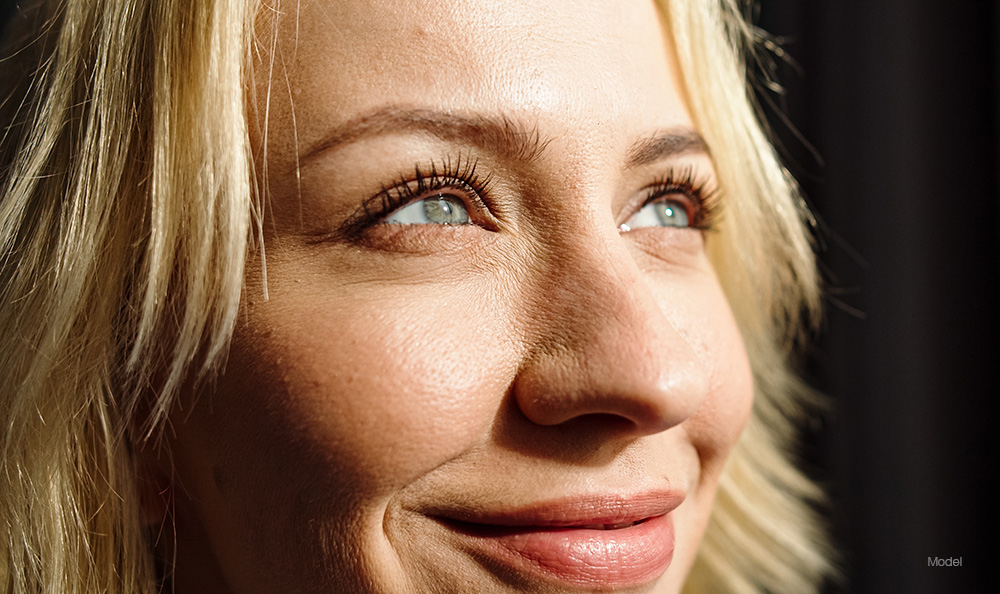
Eyelid surgery, also known as blepharoplasty, is a procedure that removes or repositions excess skin, muscle, or fat around the eyes. For some people, loose tissue can obstruct their field of vision. For others, changes in the eyelids cause heaviness, puffiness, or folds that affect how their eyes look and feel.
Eyelid surgery can address these concerns. But not everyone is a candidate, and qualification depends on your health, anatomy, and personal goals.
The Difference Between Upper and Lower Blepharoplasty
There are two primary types of eyelid surgery, each addressing a different concern.
- Upper blepharoplasty is performed on the upper eyelids. It removes excess skin and sometimes fat to reduce heaviness, improve eyelid position, and, in some instances, restore an unobstructed field of vision.
- Lower blepharoplasty targets the area beneath the eyes. It may involve removing or repositioning fat deposits, as well as tightening or smoothing the skin to create a more even lower eyelid contour.
Ms Nora Nugent tailors each approach to the individual and provides professional guidance on whether a patient qualifies for a combination procedure or would benefit more from a single type of surgery.
Combining Upper and Lower Blepharoplasty
For some people, concerns exist in both the upper and lower eye regions. In these cases, it may be possible to perform both procedures during the same operation. Treating both areas together can create a more balanced outcome, as excess tissue above the eyes and unwanted bulging in the lower region are addressed simultaneously.
A combined approach also has practical advantages. Having one procedure instead of two means undergoing anaesthesia only once and planning a single recovery period. This can be especially helpful for patients who want to minimise time away from work or daily activities.
However, combined blepharoplasty is not suitable for everyone. The decision depends on your overall health, the condition of the tissue around the eyes, and your treatment goals. During consultation, Ms Nugent will examine the area, explain risks and benefits, and determine whether a combined procedure is the safest option.
Suitable Candidates for Eyelid Surgery
Not everyone who notices changes or signs of ageing around the eyes will require surgery. However, certain signs and situations may indicate that blepharoplasty could be an appropriate option. You may be considered a suitable candidate for rhinoplasty if you:
- Have loose or redundant skin in the upper eye area, which can sometimes create a heavy fold or obstruct part of your vision.
- Experience puffiness, excess fat, or lax skin beneath the eyes that cannot be improved with non-surgical treatments.
- Are in good general health and free from serious or uncontrolled medical conditions that could affect healing.
- Do not smoke, or are willing to stop smoking before and after the procedure, as this greatly reduces surgical risks.
- Have clear and realistic expectations about what surgery can achieve, and understand that natural ageing will continue over time.
While many people who pursue blepharoplasty are in their 40s or older, age is not the only factor. Some younger adults develop hereditary lower-eye bags or early skin laxity, and they may also benefit from surgery. Ultimately, candidacy depends more on individual anatomy and health than on a specific age bracket.
Unsuitable Candidates for Eyelid Surgery
There are circumstances where blepharoplasty may not be appropriate. In some cases, another treatment may be more effective, or surgery may pose unnecessary risks. You may not be a candidate if you:
- Have unresolved or severe eye problems, such as glaucoma, retinal disorders, or dry eye syndrome that have not been stabilised.
- Struggle with uncontrolled medical conditions, including high blood pressure, diabetes, or heart disease, which can interfere with safe surgery and recovery.
- Smoke heavily and are unwilling to stop, as smoking significantly increases the risk of complications and slows wound healing.
- Have unrealistic expectations, for example, hoping that surgery will completely change the natural shape of your eyes or prevent all future signs of ageing.
Suitability is always confirmed during a detailed consultation with Ms Nugent. At this stage, your medical history, eye health, and treatment goals will be carefully reviewed to ensure that blepharoplasty is both safe and appropriate for you. If surgery is not recommended, alternative approaches may be discussed.
Interested in Eyelid Surgery in Tunbridge Wells?
Ms Nora Nugent is a consultant plastic surgeon in Tunbridge Wells with expertise in both upper and lower eyelid surgery.
During your appointment, she will assess your eyelid concerns, review your medical history, and advise on the safest and most effective treatment options.
To schedule your consultation, call 44 (0) 1892 619248 or contact our office online.