

06 March 2026 | 5 minute read

If you are considering neck lift surgery, you may be wondering about scarring. A neck lift can dramatically improve loose skin, sagging jowls, and banding in the neck, but many patients want reassurance that any scars will be undetectable and heal well. The great news is that modern neck lift techniques are specifically designed to place incisions in carefully concealed locations, allowing scars to fade significantly over time. This blog will explore the location of neck lift incisions, how scars look over time, and what you can do to optimise incision healing for scars that blend into the surrounding skin.
Where Are Neck Lift Incisions Placed?
During neck lift surgery, plastic surgeons like Ms Nora Nugent place incisions strategically to ensure scars are as inconspicuous as possible once healed.
While techniques may vary, neck lift incisions are typically placed behind the ears, along the natural crease around the ear, and, in an open or deep necklift, underneath the chin (submental incision).
These areas are chosen because they provide ideal access to the inner structures for lifting and reshaping, and they follow natural contours and skin folds. This way, scars blend seamlessly with the surrounding tissue. In most cases, once recovery is complete and scars have had time to fully mature, they can be very difficult to detect—even when wearing your hair up or with short haircuts.
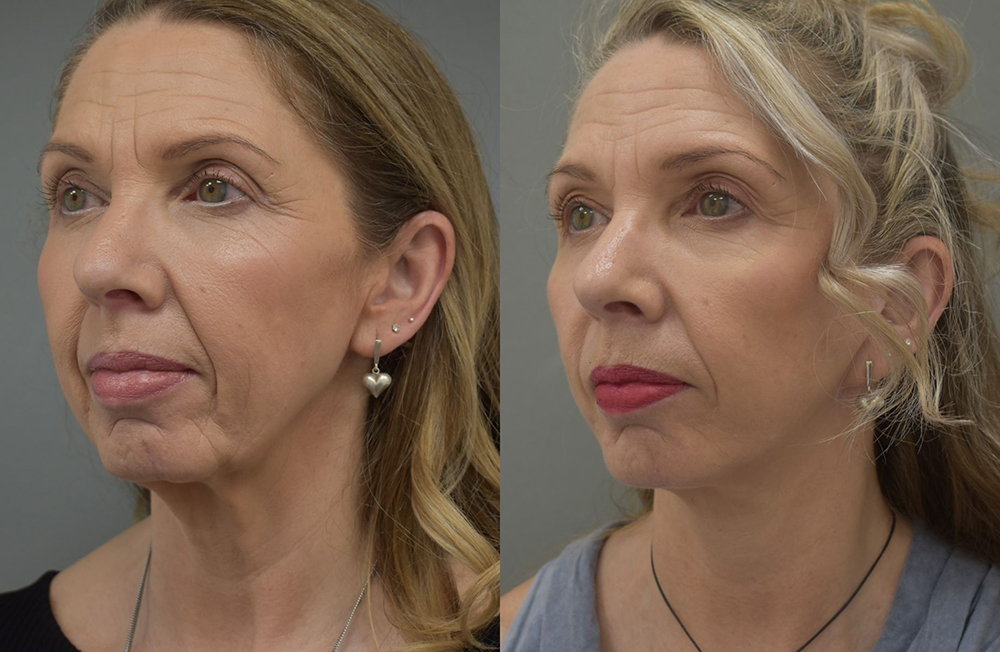
The exact incision pattern depends on your anatomy and the extent of correction required, as well as any combination procedures (a neck lift performed alongside a facelift will often use the same incisions as entry points to the deeper structures). A consultation with a qualified plastic surgeon is the best way to determine the most appropriate technique for your unique goals.
What Do Neck Lift Scars Look Like?
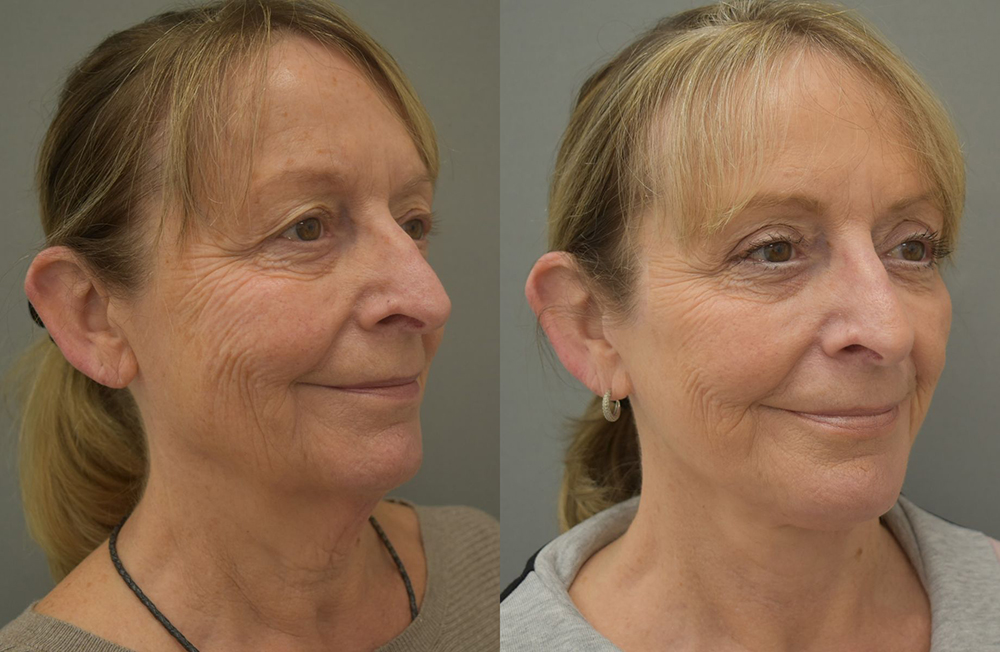
Immediately after surgery, neck lift scars will appear pink or red and tend to be slightly raised. This is a completely expected part of the healing process. Over the following weeks and months, scars begin to soften, flatten, and fade in colour.
Scars can take 12–18 months to fully mature. During this time, the redness gradually subsides, and the scars become paler and smoother. Most patients find their scars are barely noticeable after the first full year or so of healing.
Several factors influence how scars heal, however. These factors include:
- Your skin type and skin tone
- Genetics
- Whether you are a smoker
- Adherence to aftercare instructions
- Sun exposure during healing
In addition to the above factors, choosing an experienced plastic surgeon can influence the appearance of your neck lift scars. A surgeon who uses meticulous incision closure techniques to achieve minimal tension can significantly reduce the risk of prominent scarring.
How to Support Optimal Neck Lift Scar Healing
So, what can you do to encourage the best possible scar outcome after neck lift surgery? Actually, there are several steps you can take to affect the outcome:
Follow Postoperative Instructions Carefully
Your surgeon will provide detailed instructions for your aftercare at home. These usually include keeping incisions clean, avoiding strain on the neck, details about activity restrictions, and, sometimes, wearing a supportive garment.
Avoid Sun Exposure
UV exposure is one of the most damaging factors for scar healing. UV rays can prolong redness and darken scars. It is therefore essential to protect your healing incisions from the sun for at least 12 months following surgery; ideally, you should protect them at all times. Use physical coverage, such as a wide-brimmed hat and clothing, along with a high-factor SPF sunscreen—and reapply often.
Avoid Smoking and Nicotine
Nicotine and the other compounds released during smoking impair blood supply to the skin, which significantly increases the risk of poor wound healing and even widened scars. Nicotine can also increase the risk of postoperative complications such as tissue necrosis. Patients are strongly advised to stop smoking and avoid the use of other nicotine products before and after surgery.
Consider Silicone Scar Therapy
Once the incision has fully healed, many patients see extraordinary results by using silicone gel or silicone sheets to help soften and flatten scars. Consider this an option to further minimize the appearance of scars after your neck lift surgery.
Attend Follow-Up Appointments
You will typically have appointments scheduled in the weeks and months following your surgery, usually up to one year. Be sure to attend all of them, as they allow your surgeon to monitor healing and catch any complications that arise early.
Will a Neck Lift Leave Visible Scars?
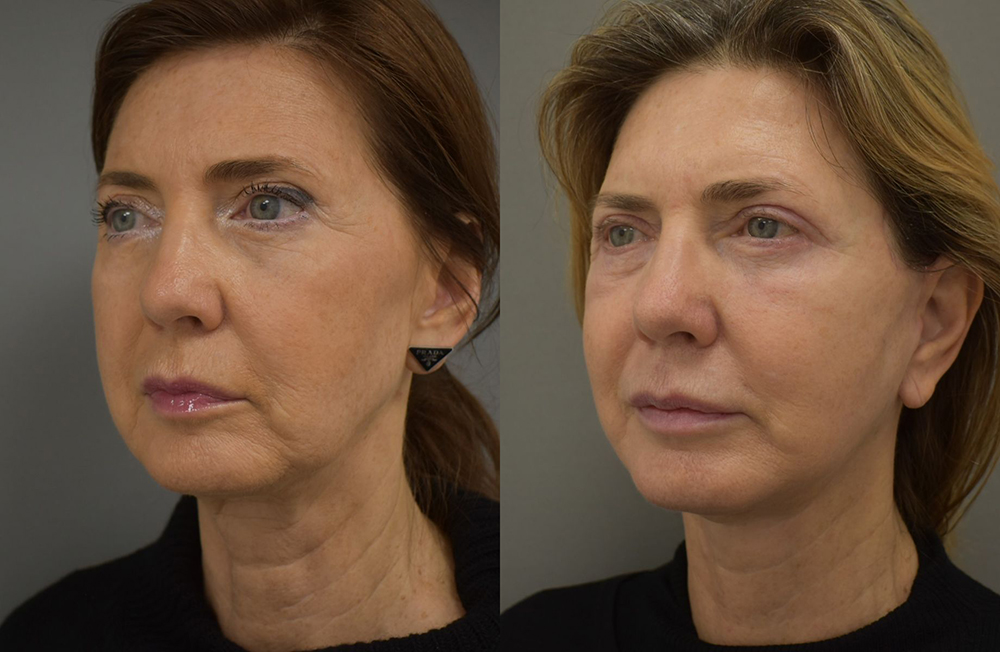
When performed by a highly skilled plastic surgeon, neck lift scars are typically discreet and well-hidden. Most patients feel that the improvement in their neck contour and jawline definition far outweighs the minimal scarring that results from the procedure.
In fact, many patients report that their friends, family, and even colleagues notice their refreshed appearance but cannot pinpoint exactly what is different. The goal of neck lift surgery is natural rejuvenation, and reducing obvious signs of surgery is part of that objective.
It’s important to remember that all surgical procedures will inevitably result in some form of scarring. However, with the technique of an expert and proper aftercare, neck lift scars are generally minimal, strategically placed, and fade until barely noticeable over time.
Learn More About Neck Lift Surgery in Tunbridge Wells
If you are considering neck lift surgery, be sure to see a highly qualified plastic surgeon who has a reputation for safety and stunning results. Ms Nora Nugent is a fully accredited plastic surgeon and president of two of the most recognised professional bodies for aesthetic surgery in the UK and Europe.
To schedule your private consultation with Ms Nugent in Tunbridge Wells or Harley Street in London, please call 44 (0) 1892 619248 or fill out our online contact form.